
Inspiration
The TRANSCEND project stems from the growing vulnerability of European transport networks, essential to the Single Market. Critical infrastructures are increasingly interconnected, amplifying risks across Europe. Recent events highlight the need for resilient infrastructures capable of withstanding both physical and cyber threats, ensuring operational continuity

Innovation
TRANSCEND introduces the Control Tower, a digital platform to enhance freight transport protection. This platform offers real-time visibility into threats, integrating innovative solutions to manage physical and cyber risks. The project will be tested at five critical infrastructure sites, demonstrating how collaboration can boost resilience

Impact
The project aims to strengthen operators’ ability to handle disruptions by developing risk mitigation strategies. The Control Tower will be a key element in supporting advanced risk management practices. Results will be widely shared with critical infrastructure operators and regulators, promoting a safer, more resilient, and efficient transport system across Europe
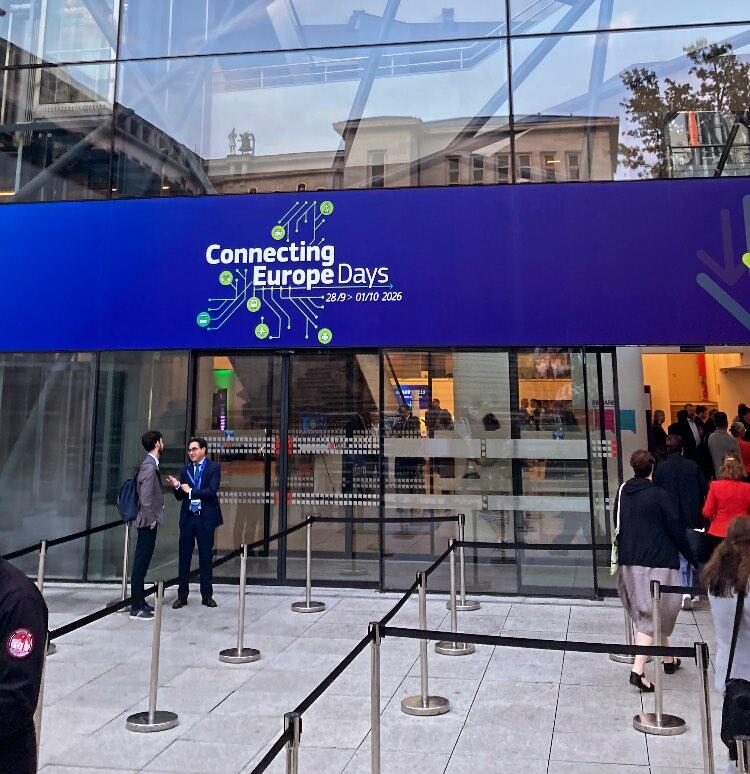
TRANSCEND showcased at the Connecting Europe Days 2026
From 29 September to 1 October 2026, Open ENLoCC, ITL and Interporto Bologna took part in the Connecting Europe Days, the European Commission’s flagship event
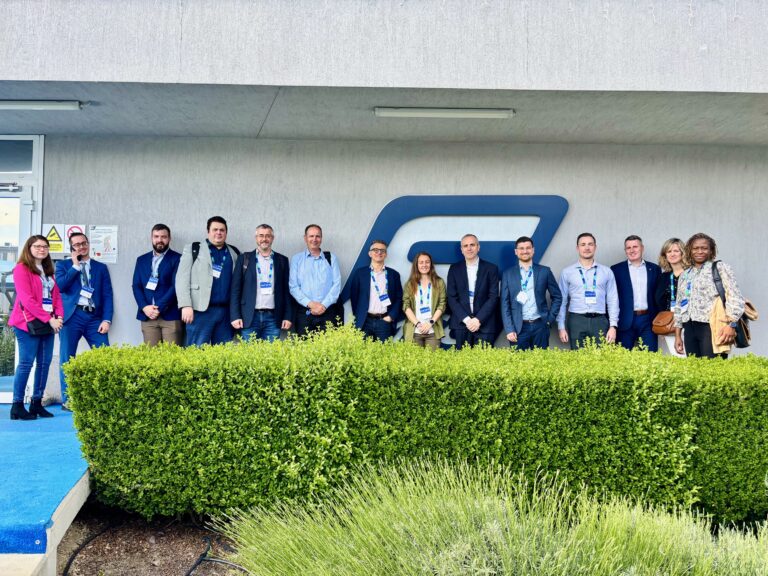
Fostering resilience of European Critical Infrastructure: TRANSCEND showcases its knowledge at the TRA Conference 2026
On 18-21 May 2026, TRANSCEND project has been successfully represented at the Transport Research Arena (TRA) 2026 in Budapest, Hungary. The TRA Conference represents the

TRANSCEND establishes a new synergy with D-NAVIO project
In its effort to strengthen resilience of Critical Infrastructure across Europe, TRANSCEND project has established a new synergy with the D-NAVIO project, an EU-funded project under