
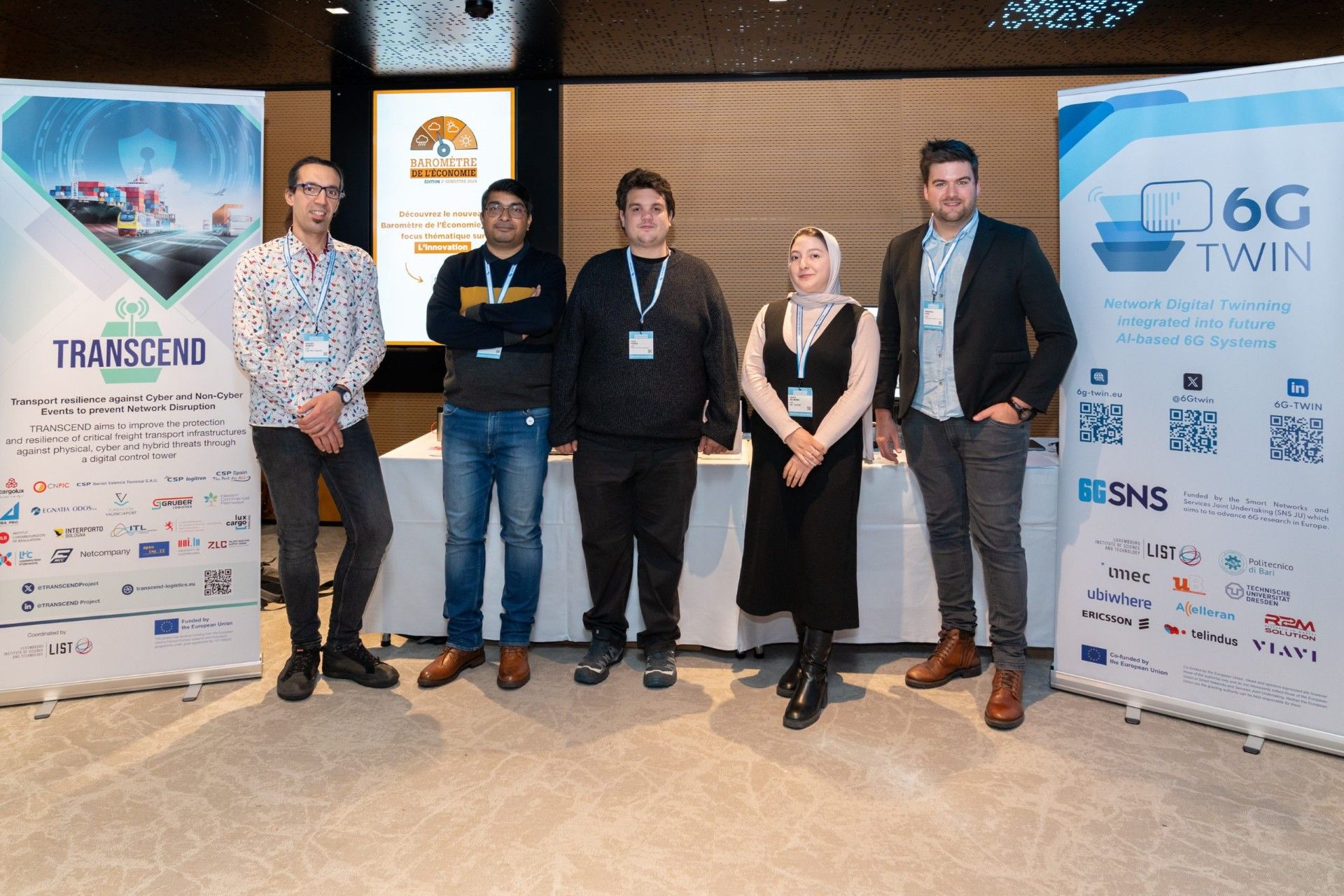
The TRANSCEND project proudly participated in the Luxembourg Internet Days 2024

Theโ€ฏ๐—ง๐—ฅ๐—”๐—ก๐—ฆ๐—–๐—˜๐—ก๐—— ๐—ฝ๐—ฟ๐—ผ๐—ท๐—ฒ๐—ฐ๐˜โ€ฏproudly participated in the ๐‹๐ฎ๐ฑ๐ž๐ฆ๐›๐จ๐ฎ๐ซ๐  ๐ˆ๐ง๐ญ๐ž๐ซ๐ง๐ž๐ญ ๐ƒ๐š๐ฒ๐ฌ on 9-10 November, a key event for cybersecurity and critical infrastructure stakeholders.

Theโ€ฏ๐—ง๐—ฅ๐—”๐—ก๐—ฆ๐—–๐—˜๐—ก๐—— ๐—ฝ๐—ฟ๐—ผ๐—ท๐—ฒ๐—ฐ๐˜โ€ฏproudly participated in the ๐‹๐ฎ๐ฑ๐ž๐ฆ๐›๐จ๐ฎ๐ซ๐  ๐ˆ๐ง๐ญ๐ž๐ซ๐ง๐ž๐ญ ๐ƒ๐š๐ฒ๐ฌ on 9-10 November, a key event for cybersecurity and critical infrastructure stakeholders.

The Luxembourgish partners including the Luxembourg Institute of Science and Technology (LIST), ILR – Institut Luxembourgeois de Rรฉgulation, theโ€ฏHigh Commission for National Protection, and the Luxembourg House of Cybersecurity shared their insights through talks and discussions, particularly in the context of NIS2 and critical infrastructure resilience.

Among the many insightful discussions,โ€ฏ๐—ฝ๐—ฟ๐—ผ๐—ฐ๐—ฒ๐˜€๐˜€ ๐—บ๐—ถ๐—ป๐—ถ๐—ป๐—ดโ€ฏstood out as a major topic of interest.

Sheila Becker from ILR participated in one of the panel discussion and said about the event:
“๐˜›๐˜ฉ๐˜ฆ ๐˜“๐˜ถ๐˜น๐˜ฆ๐˜ฎ๐˜ฃ๐˜ฐ๐˜ถ๐˜ณ๐˜จ ๐˜๐˜ฏ๐˜ต๐˜ฆ๐˜ณ๐˜ฏ๐˜ฆ๐˜ต ๐˜‹๐˜ข๐˜บ๐˜ด ๐˜ช๐˜ด ๐˜ข๐˜ญ๐˜ธ๐˜ข๐˜บ๐˜ด ๐˜ข ๐˜จ๐˜ณ๐˜ฆ๐˜ข๐˜ต ๐˜ฐ๐˜ฑ๐˜ฑ๐˜ฐ๐˜ณ๐˜ต๐˜ถ๐˜ฏ๐˜ช๐˜ต๐˜บ ๐˜ต๐˜ฐ ๐˜ฎ๐˜ฆ๐˜ฆ๐˜ต ๐˜ธ๐˜ช๐˜ต๐˜ฉ ๐˜ฆ๐˜น๐˜ฑ๐˜ฆ๐˜ณ๐˜ต๐˜ด ๐˜ข๐˜ฏ๐˜ฅ ๐˜ฎ๐˜ข๐˜ฌ๐˜ฆ ๐˜ฏ๐˜ฆ๐˜ธ ๐˜ค๐˜ฐ๐˜ฏ๐˜ฏ๐˜ฆ๐˜ค๐˜ต๐˜ช๐˜ฐ๐˜ฏ๐˜ด. ๐˜๐˜ต ๐˜ช๐˜ด ๐˜ข ๐˜ฑ๐˜ฆ๐˜ณ๐˜ง๐˜ฆ๐˜ค๐˜ต ๐˜ธ๐˜ข๐˜บ ๐˜ต๐˜ฐ ๐˜ฆ๐˜น๐˜ค๐˜ฉ๐˜ข๐˜ฏ๐˜จ๐˜ฆ ๐˜ฐ๐˜ฏ ๐˜ฑ๐˜ณ๐˜ฐ๐˜ซ๐˜ฆ๐˜ค๐˜ต๐˜ด ๐˜ข๐˜ฏ๐˜ฅ ๐˜ต๐˜ฐ ๐˜ฆ๐˜ด๐˜ต๐˜ข๐˜ฃ๐˜ญ๐˜ช๐˜ด๐˜ฉ ๐˜ฏ๐˜ฆ๐˜ธ ๐˜ค๐˜ฐ๐˜ญ๐˜ญ๐˜ข๐˜ฃ๐˜ฐ๐˜ณ๐˜ข๐˜ต๐˜ช๐˜ฐ๐˜ฏ๐˜ด”

A big thank you to everyone who visited us, asked questions, and shared their ideas. Your input fuels our drive to build a safer and more resilient future.

Help us spread the word! Share the TRANSCEND Project with your network on LinkedIn and invite your contacts to follow. Together, we can amplify the impact of TRANSCEND!

Rationale

Ensuring the resilience of Critical Infrastructures (CIs), particularly in the transport sector, has become increasingly vital. Today, there is a strong emphasis on securing information systems and effectively managing risks that could disrupt these essential services. Moreover, CIs are becoming progressively more interdependent across sectors; for example, energy is essential for telecommunications, which in turn supports logistics and transport operations. This growing interconnectedness increases systemic complexity and makes CIs more vulnerable to sophisticated cyber-physical attacks. As a result, understanding and modelling dependencies both across different sectors and domains, and within operators of the same CI, is not only required by regulations, but also crucial for improving preparedness, risk management, and coordinated incident response.

Objective

ย The primary objective of the ecosystem modelling module is to analyse an ecosystem surrounding a CI as a whole and to provide the foundations for simulating potential impacts on the resilience of a supply chain composed of multiple entities (both internal and external to the CI) by propagating risk consequences across dependencies (domino effect).